New investments and rising costs
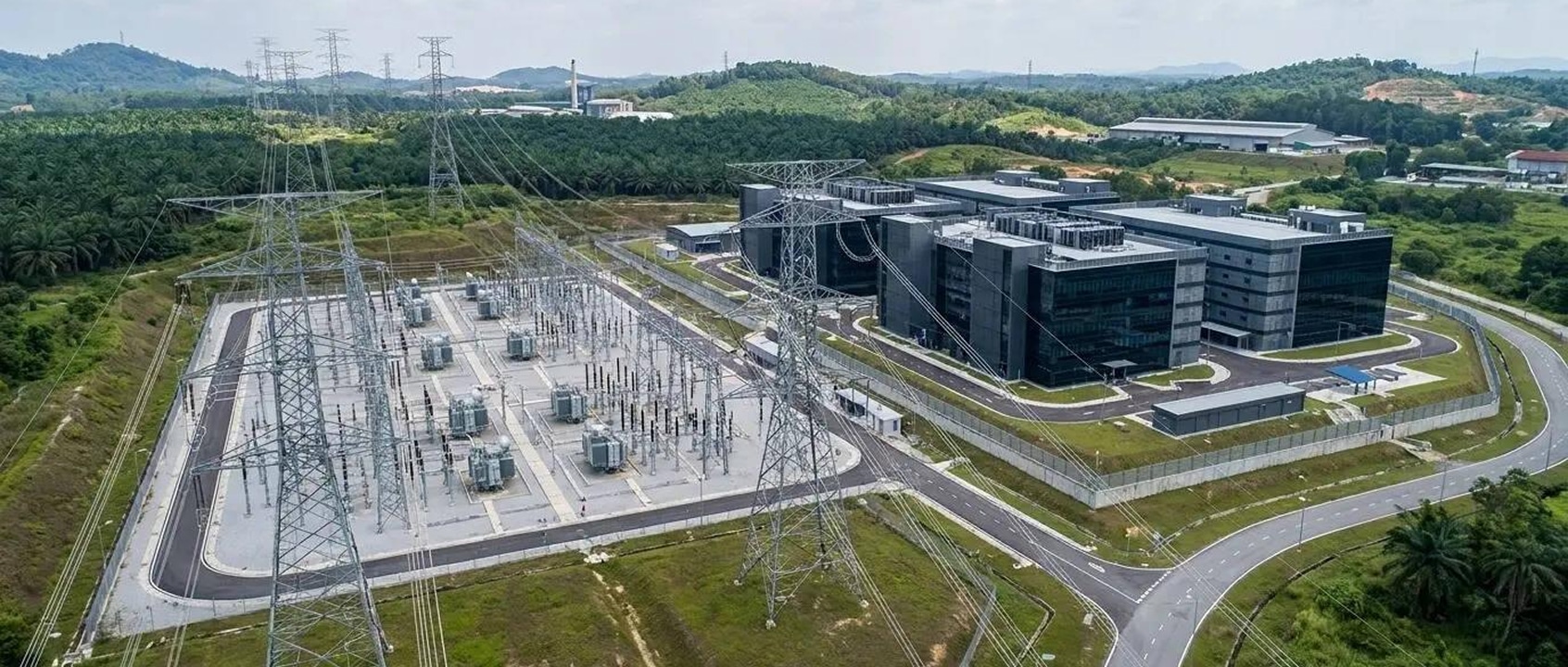
As utilities across the country prepare for growing infrastructure demands tied to grid modernization, electrification and AI-driven data center growth, affordability has become one of the defining conversations shaping the industry. For customers, the concern is straightforward: will these new investments lead to higher monthly bills?
It is a fair question, and it’s one utilities, regulators and policymakers are being asked to answer at escalating rates.
Recent data from the International Energy Agency revealed that data centers accounted for nearly half of U.S. electricity demand growth in 2024 alone. In high-growth markets, concerns around infrastructure costs and future rate increases are already becoming more visible in public conversations around affordability and long-term grid investment.
While regulators and credit analysts focus on affordability, utilities are facing the dual challenge of securing approval for major infrastructure investments, while simultaneously managing rising customer payment stress. The operational realities of delinquency, customer engagement and recoveries have become an important part of how utilities navigate that tension.
Much of the affordability discussion (understandably) focuses on rates alone, but an angle that should be considered, in tandem, is how utilities manage delinquency, customer engagement and recoveries in a period of sustained financial strain. Today’s delinquency environment looks very different than it did even a few years ago.
Rising delinquency and operational pressure
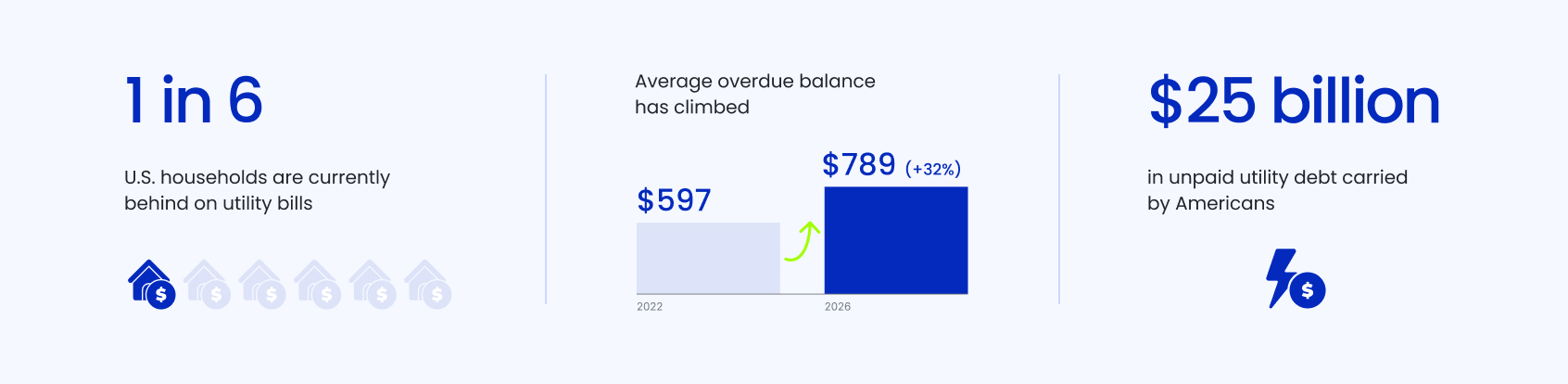
Industry estimates suggest roughly one in six U.S. households are currently behind on utility bills. At the same time, the average overdue balance has climbed from $597 to $789 since 2022, denoting a 32% increase. And, by the end of last year, Americans were estimated to be carrying approximately $25 billion in unpaid utility debt.
For utilities, those numbers create pressure that is felt far beyond the billing departments.
Customer service teams are managing remarkably sensitive conversations; call centers are handling a higher volume outreach; operational teams are being asked to balance financial performance with compliance expectations and customer experience. These teams are working to balance these important tasks, while continuing to invest in reliability and modernization efforts customers depend on every day.
New approaches to engagement and recovery
In this environment, recovery strategies are becoming a major component of the broader affordability equation. However, this does not suggest that becoming more aggressive in collections efforts is the solution. In many cases, the opposite approach is true.
Traditional or legacy recovery methods, built around batch outreach and one-size-fits-all communication strategies, are often poorly suited for today’s environment, where customer expectations, operational scale and regulatory scrutiny have all evolved significantly.
Instead, utilities are being challenged to rethink how engagement happens across the delinquency lifecycle. That includes:

Earlier intervention strategies

More flexible resolution pathways

Digital-first customer engagement

More personalized communication models
Customers expect self-service portals, flexible payment options, and the ability to resolve issues on their own terms and schedules. Meanwhile, utilities need scalable systems capable of maintaining consistency, auditability, and compliance across every interaction channel. This is becoming more important, as outreach expectations continue to evolve.
Regulatory risks and customer trust
As communication volumes increase, so does exposure to regulatory and reputational risk. Frameworks such as the Telephone Consumer Protection Act and Unfair, Deceptive, or Abusive Acts or Practices are shaping broader expectations around customer communication, transparency and engagement practices. With that, the margin for error is shrinking.
Simultaneously, customer engagement is no longer viewed separately from customer experience. This means that every interaction – whether through SMS, email, IVR systems or live-agent outreach – has potential to impact customer trust, complaint risk and public perception. In an environment where affordability concerns are already heightened, how utilities engage customers matters just as much as the outcome itself.

In an environment where affordability concerns are already heightened, how utilities engage customers matters just as much as the outcome itself.
Strategic integrity and resilience
This is where the overlap of operational strategy and affordability becomes clear. In an environment shaped by rising infrastructure demands and growing affordability concerns, recovery performance can no longer be viewed solely through a financial lens. Smarter, proactive engagement strategies can help utilities reduce avoidable losses, improve operational efficiency and support more sustainable affordability outcomes for both the business and its customers.
The utilities best positioned for this environment will be those that pivot away from siloed approaches to recovery, compliance and customer experience. Managing these functions together, through scalable, data-informed and customer-centric engagement strategies, are becoming progressively important, as affordability pressures continue to mold the industry
The future of affordability will be shaped as much by operational strategy as by rates themselves.